

|
Getting your Trinity Audio player ready...
|
An anytime fitness week pass is typically a 7-day free trial exclusively available to local residents seeking to evaluate the gym’s equipment and community. For travelers or non-residents, the anytime fitness week pass cost is dictated by daily drop-in fees set by independently owned clubs, generally ranging from $10 to $20 per day. Access during any trial period is strictly limited to staffed hours and requires a valid photo ID.
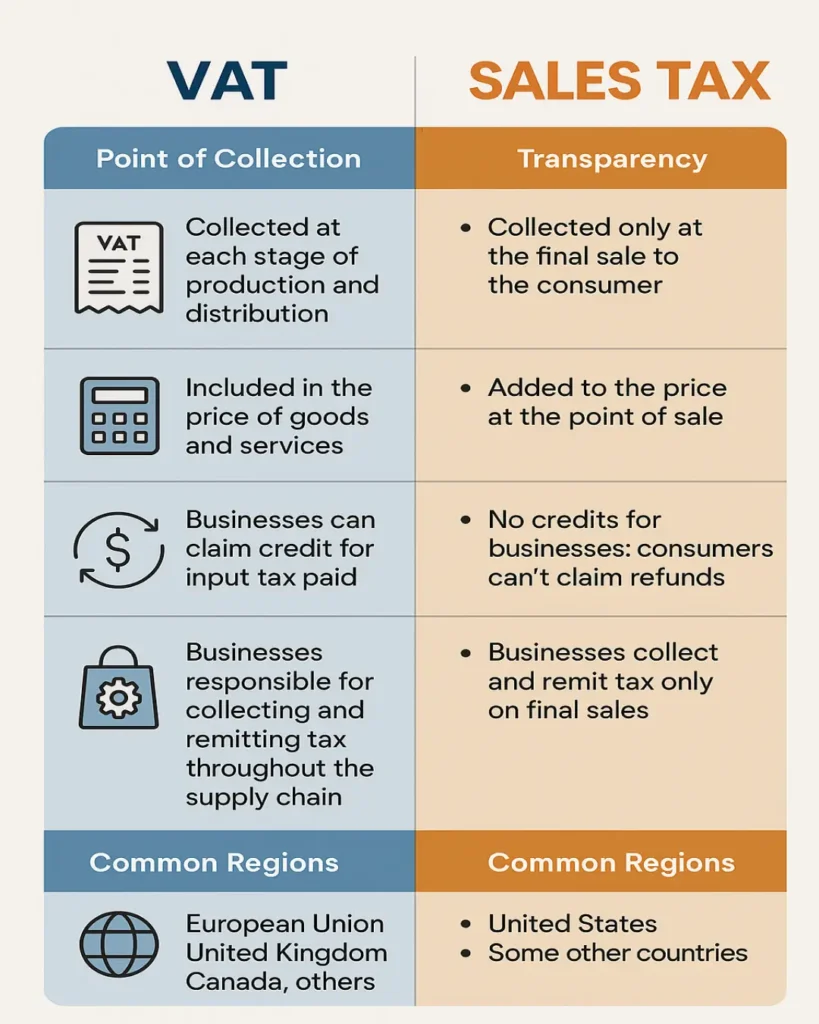
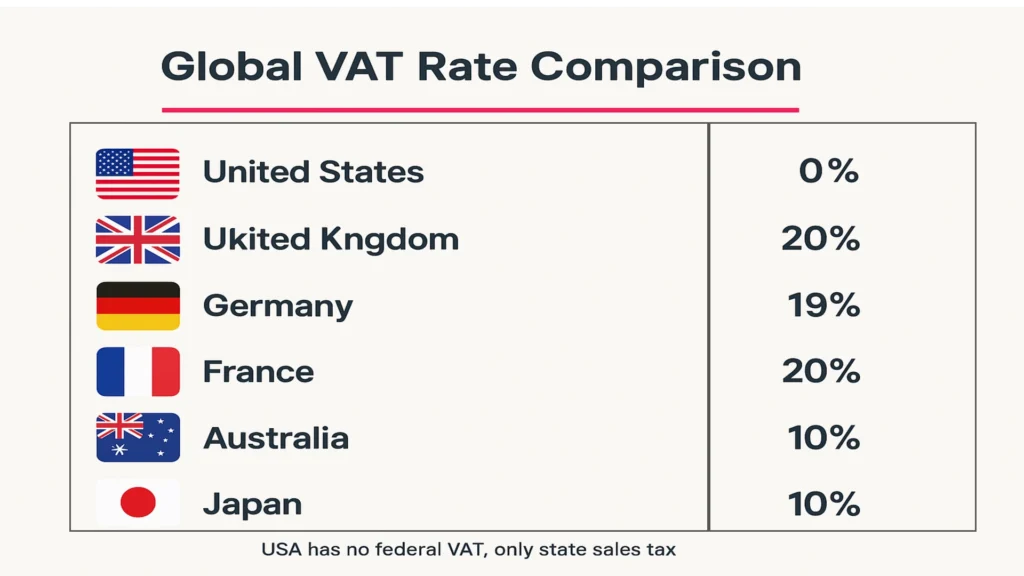
VAT & Sales Tax Calculator
Note: UK uses VAT (20% standard, 5% reduced). US uses sales tax (varies by state, typically 2%-10%).
Navigating the Anytime Fitness Free Week Trial
The Value of a 7-Day Trial
The decision to join a fitness facility is a significant commitment of both time and financial resources. In my research into global fitness franchise models, I have observed that offering a short-term evaluation period is critical for consumer confidence. The anytime fitness free week pass serves precisely this purpose, allowing prospective members to experience the environment, utilize the gym equipment, and interact with certified personal trainers before signing a binding contract.
Local Residency and Photo ID Requirements
However, securing an anytime fitness 1 week pass is not as simple as walking through the front door. The franchise enforces specific corporate protocols designed to prioritize genuine potential members over transient visitors. Most notably, free trial passes are strictly reserved for new customers who either live or work in close proximity to the participating location. When a prospective member arrives to activate their anytime fitness week trial, the staff requires a valid photo ID to verify this local residency. This policy ensures that the supportive community to reach health milestones is built around consistent, local participants rather than short-term visitors.
Access Restrictions and Staffed Hours
If an individual cannot produce a photo id or proof of local residence, the club will typically refuse the complimentary pass. Instead, the location may offer the option to pay a daily drop-in fee, effectively transforming the trial into a paid week pass anytime fitness experience. Additionally, it is crucial to understand that during any trial period, visitors do not receive the 24/7 key fob access granted to fully enrolled members. Trial users are restricted to visiting during official staffed hours, which ensures that club management is present to discuss membership options, ensure safe equipment usage, and maintain facility security.
International Travel and Non-Resident Policies
For readers stationed in international regions, such as Chowk Azam, Punjab, Pakistan, local franchising laws and trial availability can differ slightly based on the regional master franchise agreements. If you are traveling from Chowk Azam to major international hubs in the Middle East (such as Qatar or Saudi Arabia) or utilizing clubs in neighboring regions, you will likely be treated as a traveling non-resident, meaning the complimentary local anytime fitness trial will not apply, and drop-in fees will be mandated.
Table of Contents
Analyzing the Anytime Fitness Week Pass Cost and Drop-In Fees
Franchise Pricing Autonomy
For individuals who do not qualify for the local resident exemption—such as business travelers, vacationers, or digital nomads—accessing the facility requires a financial transaction. Because every anytime fitness location is independently owned and operated, there is no universal corporate pricing structure for short-term access. Franchisees possess the autonomy to set their own daily and weekly rates based on local economic factors, facility overhead, and competitive market saturation.
Typical Drop-In Rates
In my analysis of pricing structures across various global territories, I have found that a standard day pass typically costs approximately $10. However, in high-cost-of-living metropolitan areas or premium locations, this fee can easily escalate. Consequently, calculating the exact anytime fitness week pass cost requires multiplying the local day rate by the intended number of visits, or negotiating a bundled short-term rate directly with the club manager.
Access Type | Target Audience | Typical Cost | Access Hours |
7 Day Free Trial | Local residents and local workers | $0 (Complimentary) | Staffed hours only |
Daily Drop-In Pass | Travelers, non-residents, guests | ~$10 – $20 per day | Staffed hours only |
Paid Week Pass | Short-term visitors on vacation | ~$35 – $70+ (varies) | Staffed hours only |
We recommend that visitors proactively research service offerings nearby and call the specific club ahead of time to confirm their drop-in policies. While paying for an anytime fitness one week pass out-of-pocket may seem steep compared to the amortized cost of a long-term membership, it provides an invaluable service for dedicated individuals looking to maintain their fitness journey without being locked into a rigid contract.
Common Mistakes to Avoid During Your Trial
While exploring a new facility should be straightforward, prospective members often make a few common errors that lead to frustration or unexpected fees. Avoid these mistakes to ensure a smooth evaluation period:
- Assuming 24/7 Access: Trial users and guests are restricted to official staffed hours; your temporary pass will not unlock the doors at midnight or during unstaffed weekends.
- Forgetting Your Photo ID: You must present a valid photo ID to prove local residency. Without it, you will likely be denied the free trial and asked to pay a drop-in fee.
- Mishandling HSA/FSA Documentation: If you plan to use pre-tax funds to sign up after your trial, a common mistake is paying for the membership first and trying to get the Letter of Medical Necessity (LMN) later. The IRS strictly requires the LMN to be dated on or before the date of your membership purchase.
- Expecting Universal Pricing: Never assume the drop-in fee at one location applies to another. Because clubs are independently owned, each location sets its own rates and guest policies.
Comprehensive Breakdown of Membership Plans
Once the trial ends, individuals must decide whether to commit to the facility long-term. The brand heavily promotes its model as providing everything you need under one membership. While the marketing emphasizes simplicity, the actual contract terms can be nuanced.
The Core Commitment Tiers
The core of the franchise’s offering revolves around different types of membership plans designed to accommodate varying degrees of financial flexibility. Although pricing details fluctuate by region, the average monthly cost of a membership hovers around $53. Members typically choose from three primary commitment tiers:
- The Monthly Plan: This is a month-to-month agreement offering maximum flexibility. It is ideal for individuals who anticipate moving, have unpredictable schedules, or simply refuse to sign long-term contracts. Because the financial risk to the gym is higher, this monthly plan usually carries the highest monthly premium.
- The 12-Month Plan: This standard annual contract is the most common option. By committing to a full year, members secure a lower monthly rate. The contract guarantees that the base membership fee will not increase during the 12-month commitment period.
- The 18-Month Plan: For those fully dedicated to their long-term health, the 18-month agreement offers the most aggressive discounting. This extended term locks in the lowest possible monthly rate.
Renewals and Cancellation Fees
Regardless of the chosen tier, most agreements contain an automatic renewal clause. After the initial term expires, the membership will automatically continue on a rolling periodic basis (e.g., month-to-month) at the then-current rate. To terminate the agreement, members must provide written notice to their home club. The required notice period is generally 30 days, though some regional contracts stipulate a 14-day notice. If a member attempts to cancel a 12-month or 18-month contract before the expiration date, they are typically subjected to early termination fees, which can include paying out 50 percent of the remaining balance on the contract.
Global Reciprocity and the 50-Percent 60-Day Transfer Rule
Worldwide Access Network
One of the most heavily advertised benefits of an anytime fitness gym membership is global reciprocity. Members are granted secure, smartphone-enabled access to over 6,000 gyms at any location worldwide. For a fitness enthusiast living in or traveling from Chowk Azam, Pakistan, this means that a single membership could theoretically grant access to facilities during business trips to Dubai, London, or Tokyo.
Understanding the Transfer Algorithm
However, my research into the franchise’s backend operations reveals a critical, often-misunderstood policy: the automatic transfer rule. While members have access to all gyms, their monthly dues are paid to their “home club”—the specific independently owned facility where they originally signed their contract. To prevent users from signing up at a cheaper rural location and exclusively utilizing an expensive downtown facility, the corporate software continuously monitors key fob and digital access logs.
If a member establishes a pattern of using a non-home club more frequently than their actual home club, the system triggers an automatic transfer of their membership to the new location. The specific algorithmic criteria for this transfer are twofold:
- Rule 1 (The 50 Percent Threshold): A member must visit a non-home club a minimum of four times within two consecutive 30-day periods (totaling 8 visits over 60 days). Furthermore, more than 50 percent of their total gym usage during this 60-day window must occur at that single non-home club.
- Rule 2 (The 100 Percent Threshold): If a member visits a non-home club at least once per 30-day period for three consecutive months (90 days), and 100 percent of their visits during that time are at that specific non-home club, a transfer is initiated.
When an automatic transfer occurs, the new club inherits the member’s contract. Crucially, the new club has the right to adjust the member’s monthly dues to match their specific regional pricing. Therefore, a member could unexpectedly see a rate increase if they are transferred to a premium location. To avoid this, users who split their time between two locations must carefully manage their attendance, ensuring they visit their cheaper home club at least 51 percent of the time over any given 60-day period.
Evaluating Gym Equipment and the Purple Turf Experience

Standard Equipment Inventory
For anyone considering utilizing a 7 day free pass, evaluating the facility’s physical assets is the primary objective. The franchise models its interior design to maximize efficiency, combining dense cardio areas with dedicated functional training zones.
The standard gym equipment inventory is remarkably consistent across global locations, ensuring that a traveler visiting a gym in Canada will find a highly similar setup to a gym in Australia or the Middle East. The cardiovascular section typically features commercial-grade treadmills, elliptical cross-trainers, stationary exercise bikes, stair climbers, and rowing machines.
The strength training zones feature comprehensive free weight setups, including dumbbells, kettlebells, barbells, and adjustable benches. Additionally, members can expect to find squat racks, Smith machines, and various plate-loaded and pulley-based strength machines designed for isolated muscle hypertrophy.
The Purple Turf
A unique signature of the brand’s interior architecture is the “purple turf.” This distinct, brightly colored synthetic grass area is dedicated to functional training and mobility work. Here, members utilize plyometric boxes, battle ropes, medicine balls, resistance bands, and BOSU balls. Functional training is essential for improving real-life movement patterns—such as squatting, lunging, pushing, and pulling—which ultimately reduces the risk of injury in everyday life.
Equipment Category | Primary Apparatus | Physiological Focus |
Cardiovascular | Treadmills, Rowers, Stair Climbers | Cardiorespiratory endurance, caloric expenditure |
Free Weights | Dumbbells, Barbells, Squat Racks | Compound muscle hypertrophy, bone density |
Machines | Smith Machine, Cable Pulleys | Isolated muscle strengthening, injury rehabilitation |
Functional (Purple Turf) | Battle Ropes, Plyo Boxes, Kettlebells | Agility, core stability, explosive power |
Clinical Benefits of Strength Training
Engaging with this equipment regularly yields profound clinical benefits. According to robust data, adults who engage in regular muscle-strengthening activities and aerobic exercise experience significant reductions in the risk of cardiovascular disease mortality, hypertension, and adverse blood lipid profiles. We strongly recommend that new users take advantage of the complimentary equipment orientations offered during the trial subscription to ensure safe and biomechanically sound lifting techniques.
Coaching, Personal Training, and Team Workouts
The Initial Fitness Consultation
While the facility provides the raw tools for physical transformation, the franchise also emphasizes human support structures. For many individuals, simply having access to a treadmill is insufficient; they require guidance to help you reach your goals.
When a member decides to join today, they are typically offered a no-pressure fitness consultation with a certified personal trainer. During this consultation, coaches meet with the new member to discuss prior fitness history, identify physical limitations, and establish a baseline for progress.
One-on-One and Group Training Options
If a member opts to purchase ongoing coaching services, the personal training is offered in multiple formats. One-on-one personal training provides hyper-customized programming, dynamic warmups, and intense accountability tailored specifically to the individual’s needs. Because independent owners set the rates, how much a personal training session costs will vary significantly depending on location.
For those who find individualized training cost-prohibitive, many anytime fitness locations offer small group training and team workouts. These team workouts include groups of four to six individuals guided by a coach. This structure allows the gym to offer a lower per-session price point while simultaneously building a supportive environment. Training alongside other people can provide accountability and an energy-filled atmosphere that isolated lifting often lacks.
Precision Tracking: The Evolt 360 Body Composition Scanner
Bioelectrical Impedance Analysis (BIA)
One of the most advanced technological amenities offered within the franchise is the Evolt 360 body composition scanner. Traditional bathroom scales are notoriously poor indicators of overall health, as they cannot differentiate between a pound of muscle, a pound of fat, or temporary water retention. To help you make real progress, the Evolt 360 provides a clinical-grade analysis of your internal physical makeup.
In my technical review of the Evolt 360, I found that it utilizes a scientifically validated process known as Bioelectrical Impedance Analysis (BIA). When a member steps onto the scanner barefoot and grips the handles, the machine sends a very low, imperceptible electrical current through the body. Because different tissues (like dense muscle vs. adipose fat tissue) resist this electrical current at different rates, the scanner’s algorithms can calculate exact tissue volumes with remarkable precision.
In under 60 seconds, the Evolt 360 generates a report detailing over 40 unique metrics.
Key Evolt 360 Metric | Clinical Definition & Relevance |
Skeletal Muscle Mass | The total weight of muscle attached to the skeleton. Vital for metabolic rate and combatting age-related sarcopenia. |
Body Fat Percentage | The ratio of fat mass to total body weight. A vastly superior metric to the outdated Body Mass Index (BMI). |
Visceral Fat Level | Fat stored deep within the abdominal cavity around vital organs. High levels are directly linked to metabolic syndrome. |
Bone Mineral Density | An estimate of bone health. Crucial for older adults monitoring the onset of osteoporosis. |
Bio-Age | A biological age calculation based on physiological markers rather than chronological age. |
These insights are particularly valuable for specialized populations. For example, individuals experiencing perimenopause often face hormonal shifts that lead to unexpected weight gain and muscle loss. The scanner allows these members to track skeletal muscle mass and adjust protein intake accordingly to counteract these physiological changes.
Testing Best Practices
To ensure the most accurate readings across multiple scans, members must standardize their testing environment. I highly recommend conducting the scan at the exact same time of day, ideally in a fasted state, prior to any cardiovascular exercise, and with consistent hydration levels. Following the scan, a certified personal trainer utilizes the data to generate personalized plans, optimizing macronutrient targets and refining training volumes.
Digital Modernization: The AF App and NFC Access
Moving Beyond Physical Key Fobs
Historically, the hallmark of 24-hour gym access was the physical RFID key fob. Members were required to purchase this hardware upon enrollment, frequently incurring a non-refundable key fob fee ranging upward of $95 depending on the region. Losing this fob resulted in frustrating replacement fees and temporary lockouts.
The AF Mobile App and NFC Access
To eliminate this friction, the franchise has heavily invested in digital modernization through the deployment of the Anytime Fitness Mobile Application. The most significant feature of this new app is the AF Access Pass. Members can now bypass physical hardware entirely by provisioning a digital credential directly into their smartphone’s Apple Wallet or Google Wallet. Utilizing Near Field Communication (NFC) technology, members simply tap their smartphone or smart watch against the door reader to gain immediate entry to the facility.
Beyond door access, the application serves as a centralized hub for the wellness experience. It features a live “busy meter” that allows members to monitor real-time gym capacity and avoid peak crowds. The app also syncs with the Evolt 360 data, tracks daily workouts, and provides a direct messaging channel to local coaches for out-of-gym support.
Premium Perks: Apple Fitness+
Furthermore, as a promotional incentive for digital adoption, the franchise frequently partners with technology giants. Eligible individuals who join today and activate the app may receive up to two free months of Apple Fitness+. This premium streaming service offers high-quality guided workouts that can be completed on the purple turf or at home, further cementing the brand’s commitment to hybrid fitness solutions.
Maximizing Pre-Tax Savings: HSA and FSA Eligibility
IRS Regulations on Fitness Expenses
For working professionals in the United States, managing the financial cost of physical fitness is a major consideration. Fortunately, under specific conditions, a gym membership can be classified as a qualified medical expense, making it eligible for reimbursement through a Health Savings Account (HSA) or Flexible Spending Account (FSA).
The underlying clinical logic is undeniable. The medical community acknowledges that adequate physical activity is a primary preventative treatment for chronic diseases. Adults who follow regular exercise regimens see drastically lower risks of all-cause mortality, cardiovascular disease, and adverse mental health outcomes. However, the Internal Revenue Service (IRS) maintains strict regulatory definitions. According to tax law, general fitness expenses—meaning gym memberships purchased simply to stay in shape—are strictly prohibited from HSA/FSA reimbursement.
The Letter of Medical Necessity (LMN)
To legally utilize these tax-advantaged accounts, the exercise must be explicitly prescribed by a licensed medical professional to treat, mitigate, or prevent a specific, diagnosed medical condition. Conditions such as clinical obesity, hypertension, debilitating back pain, or cardiovascular disease routinely qualify.
To bridge this gap, members must obtain a Letter of Medical Necessity (LMN). The process involves the following steps:
- Clinical Consultation: The member consults with a licensed healthcare provider. The franchise has partnered with streamlined telehealth platforms like Dr. B and Truemed to facilitate this. Through a brief, inexpensive online survey, a doctor evaluates the patient’s medical history.
- Issuance of the LMN: If the provider determines that a gym membership is medically necessary to treat the diagnosed condition, they issue an official Letter of Medical Necessity. This letter outlines the diagnosis, the required treatment (exercise), and the duration of the necessity (typically valid for 12 months).
- The Reimbursement Process: Importantly, members cannot simply swipe their HSA/FSA debit cards at the gym, as the merchant category codes will trigger an automatic denial. Instead, the member must keep a payment card on file, pay for the membership with personal funds, and then submit the receipt alongside the LMN to their HSA/FSA plan administrator for manual reimbursement.
By utilizing pre-tax dollars, members effectively bypass income tax on the money used for their membership, resulting in an effective discount of 20 to 40 percent depending on their tax bracket. We strongly advise keeping all documentation securely filed, as the IRS can audit HSA withdrawals for up to five years.
Age Restrictions, Minor Policies, and Safety
Childcare and Waiting Areas
While the franchise cultivates a welcoming environment, maintaining safety and liability standards in an unstaffed, 24-hour facility requires strict age regulations. The brand does not operate daycares, and young children are strictly prohibited from waiting in lobby areas while parents train.
Requirements for Minors
To hold an independent membership, an individual must generally meet the minimum age threshold established by local state or provincial laws, which is most commonly set between 14 and 17 years of age.
When a minor within this approved age bracket wishes to join, the enrollment process mandates parental involvement. A parent or legal guardian must be physically present to sign a comprehensive authorization and liability waiver. This document transfers legal and financial responsibility to the parent, acknowledging the inherent risks of strength training. Furthermore, the parent must provide their own valid banking details or credit card to be kept on file for monthly billing. Depending on the specific franchise location, minors may have restricted key fob access, limiting their entry strictly to staffed hours to ensure adequate supervision.
International Travel and Considerations for Remote Regions
The 30-Day Home Club Rule
For individuals based in locations like Chowk Azam, Punjab, Pakistan, understanding the global reach of fitness franchises is highly relevant. While local rural areas may not feature a dense concentration of 24-hour commercial gyms, frequent travelers from these regions to business hubs in the Middle East, Southeast Asia, or Europe can heavily leverage the brand’s network.
When planning to utilize the global reciprocity feature, members must be aware of the 30-day introductory period. New members are generally required to utilize only their home club for the first 30 days of their contract.
Global Access for Travelers
Once this probationary period expires, the global network unlocks. If a user from Pakistan is planning an extended stay in Qatar, Saudi Arabia, or India—all regions with a heavy franchise presence—their home key fob or mobile NFC pass will grant them seamless access to local facilities without incurring daily drop-in fees. This global interoperability makes it one of the most flexible memberships available for international professionals.
Frequently Asked Questions
Does Anytime Fitness offer a 7-day pass or free trial?
Yes, an anytime fitness week pass is frequently available as a 7-day complimentary trial. However, it is restricted to new customers who can provide proof of local residency. Visitors from out of town are generally not eligible for the free pass and must pay drop-in fees.
How much does a week pass or day pass cost at Anytime Fitness?
The anytime fitness week pass cost is determined by individual franchise owners, but a standard day pass typically costs around $10. For a full week of access for a traveling non-resident, costs generally range from $35 to $70.
Can I join Anytime Fitness for just one month?
Yes, you can enroll in a monthly plan that requires no long-term commitment. While this month-to-month option provides maximum flexibility to cancel without severe early termination fees, it typically carries a higher monthly rate than the 12-month or 18-month contracts.
Does Anytime Fitness have a pay-per-entry option?
Yes, a pay-per-entry system is facilitated through single-day drop-in passes. This allows transient visitors to pay a one-time fee at the front desk during staffed hours to utilize the equipment without signing a membership agreement.
What are the different membership plan options at Anytime Fitness?
The primary options include a rolling monthly plan, a 12-month plan, and an 18-month plan. The longer the contractual commitment you make, the lower your guaranteed monthly billing rate will be.
Are there any guest pass options available at Anytime Fitness?
Guest privileges are handled on a club-by-club basis by independent owners. While some locations allow members to bring a guest for a small fee during staffed hours, unauthorized guests (tailgating) can result in severe fines or immediate membership termination.
Can I use my Anytime Fitness membership at any location?
Yes, after an initial 30-day probationary period at your home club, you gain full global reciprocity. Your key fob or digital app pass will unlock the doors at over 6,000 locations worldwide, 24 hours a day.
What amenities are included with an Anytime Fitness membership?
A standard membership includes 24/7 access to cardiovascular machines, heavy free weights, functional training turf areas, and private restrooms with showers. Premium amenities, such as Evolt 360 body scans and small group personal training, may require additional fees depending on the location.
How do I find an Anytime Fitness gym near me?
You can locate a nearby facility by using the official gym locator on the company’s website or mobile app. Searching by your postal code or city will display the closest clubs, their unique staffed hours, and direct contact information.
How does the automatic transfer policy work?
If you utilize a non-home club for more than 50 percent of your total visits over a 60-day period (with a minimum of 4 visits), your membership automatically transfers to that new location. This transfer may result in an adjustment to your monthly billing rate to reflect the new club’s pricing structure.
Is an Anytime Fitness membership HSA/FSA eligible?
Yes, gym memberships can be paid for using pre-tax HSA or FSA funds if you possess a valid Letter of Medical Necessity (LMN). A licensed medical provider must certify that the exercise is explicitly required to treat or mitigate a diagnosed medical condition.